How Many Applications Does It Actually Take to Get a Tech Job in 2026? The Hiring Funnel Data, Exposed
A single mid-level software engineering role now attracts 250+ applications, and 75% never get seen by a human. Here's the real 2026 tech hiring funnel data — stage by stage — and where candidates lose the game.

Last quarter, I helped hire two backend engineers at Wardigi. We posted one job listing. Within 11 days, we had 312 applications. We interviewed 9 people. We made 2 offers. Both accepted.
That means 310 people applied, did everything "right," and walked away with nothing.
This isn't unusual. It's actually the norm in tech hiring right now. And if you're one of those 310 people — sending out application after application, hearing nothing back — you deserve to know what the numbers actually look like on the other side of the hiring funnel.
So let's break it down. Not with vague advice, but with real data from 2026 hiring reports, ATS analytics, and my own experience running a recruiting pipeline.
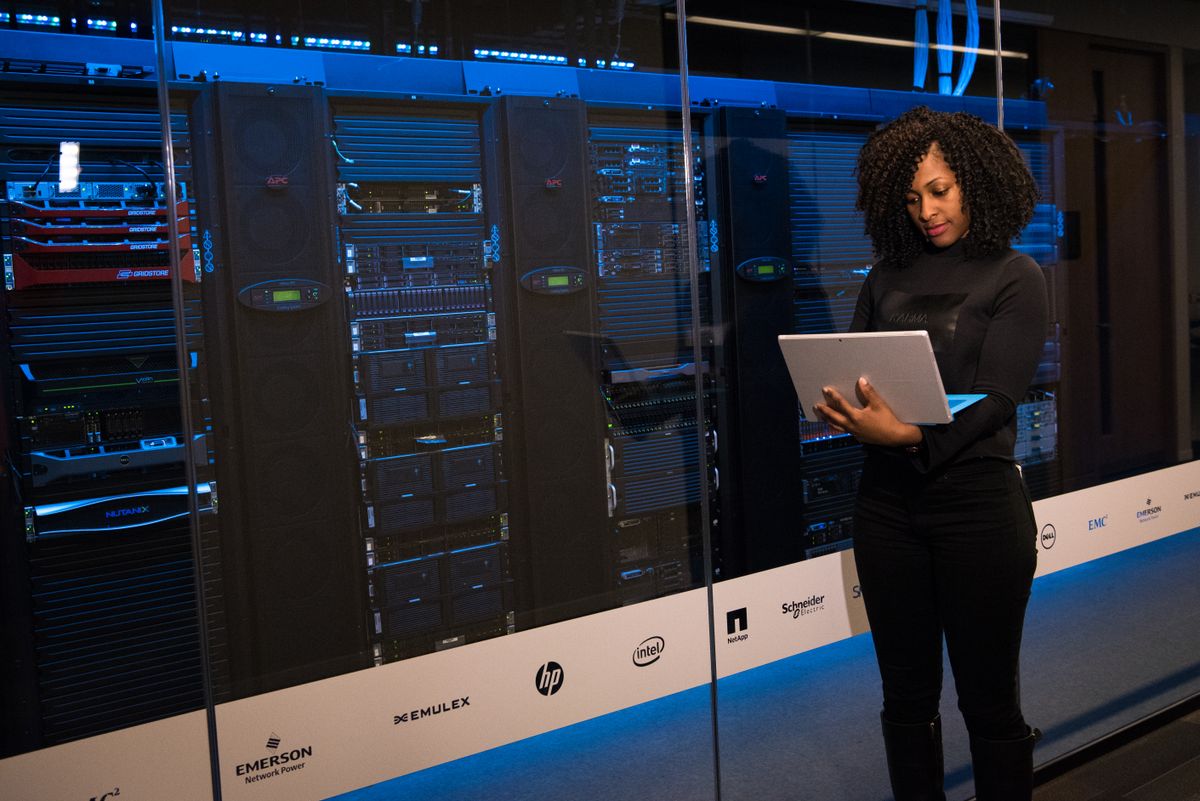
Photo by Firmbee.com on Pexels
The 2026 Tech Hiring Funnel: Stage by Stage
Here's what the average tech hiring funnel looks like right now, according to aggregated data from Ashby, Greenhouse, and multiple 2026 recruiting benchmarks:
Stage 1: Job View → Application (6% conversion)
Out of every 100 people who see a tech job listing, only about 6 will actually hit "Apply." That number has stayed relatively flat, but the sheer volume of job views has exploded — mostly thanks to LinkedIn's algorithm pushing job posts harder than ever and AI tools making it trivially easy to fire off applications.
The result? A single mid-level software engineering role now attracts an average of 250 applications. For hot categories like AI/ML or platform engineering, that number can exceed 400.
Stage 2: Application → Screen (3-5% pass rate)
This is where the bloodbath happens. Of those 250 applicants, roughly 75% never get seen by a human. ATS filters — keyword matching, experience thresholds, location checks — kill most applications before a recruiter even opens them.
Of the ones that do get through the automated screen, only about 3% advance to a phone call or initial interview. That means for every 250 applications, somewhere between 8 and 12 candidates actually talk to someone.
At Wardigi, our screen-to-interview rate was slightly higher at 4.1%, but we're a smaller company with a more targeted job description. Enterprise companies running high-volume hiring often see rates below 2%.
Stage 3: Interview → Offer (27% conversion)
Once you're in the interview loop, your odds improve dramatically. About 27% of candidates who reach the interview stage end up receiving an offer. For technical roles specifically, the acceptance rate sits at 73%, which is lower than business roles (84%) because engineers tend to be juggling multiple offers.
Stage 4: Offer → Hire (73-84% acceptance)
Most offers get accepted, but tech has the lowest acceptance rate of any function. Candidates decline because of competing offers, salary mismatches, or — increasingly common in 2026 — disagreements over return-to-office policies.
So How Many Applications Does It Actually Take?
Let's do the math from the candidate side.
If you're a mid-level developer with relevant experience, a well-structured resume, and you're applying to roles that genuinely match your skills:
- Cold applications (job boards): expect a 1-2% success rate. That's 50-100 applications per offer.
- Referral-backed applications: 8x more likely to result in a hire. You might need 10-15 applications to land an offer.
- Recruiter-sourced opportunities: these convert at an even higher rate, but you can't really "apply" for them — they come to you.
The uncomfortable average? Job seekers in 2026 report sending between 32 and 200+ applications before receiving a single offer. And 75% of those applications receive zero response — not even an automated rejection.
I've seen this firsthand. When we were hiring at Wardigi, I personally reviewed about 40 of the 312 applications we received. The rest were filtered by our ATS or screened out by our recruiting coordinator. Some of those filtered applications probably belonged to perfectly capable engineers. They just didn't make it past the keyword gate.
Why the Funnel Is Broken in 2026
Three forces have converged to make the tech hiring funnel more brutal than it's ever been:
1. AI-Powered Mass Applications
Tools that auto-fill and submit applications have flooded the pipeline. When anyone can send 50 tailored applications in an hour, the volume per job posting triples. But hiring teams haven't scaled to match. The result is that 97% of applicants get eliminated before speaking to a human — not because they're unqualified, but because there simply isn't enough bandwidth to evaluate everyone.
2. The "Ghost Job" Problem
Not every posted job is actually open. Companies keep listings active for pipeline building, employer branding, or because they're "always looking" but don't have headcount approved. Conservative estimates put ghost jobs at 20-30% of active listings. You might be applying to roles that were never going to hire anyone.
3. Time-to-Hire Has Stretched
The average time to fill a senior technical position has reached 68 days in 2026. For AI/ML roles, it's 89 days. Meanwhile, the best candidates are only on the market for about 10 days before they accept an offer elsewhere. There's a fundamental timing mismatch — companies move slowly, but top talent moves fast.

Photo by Mart Production on Pexels
What Actually Moves the Needle (Data-Backed)
After reviewing the funnel data and running three hiring cycles at Wardigi over the past 18 months, here's what I think most candidates get wrong — and what actually works:
Stop Relying on Job Boards Alone
Job boards account for 49% of all applications but only 24.6% of actual hires. Direct sourcing — where a recruiter finds you — accounts for just 2.5% of applications but nearly 10% of hires. Employee referrals have an 8x higher hire rate than cold job board applications.
The math is clear: networking and being findable (strong LinkedIn presence, active GitHub, writing about your work) produces dramatically better results per unit of effort than mass-applying.
Optimize for the ATS, Not for Humans (First)
Since 75% of resumes get filtered before a human sees them, your first audience is a machine. That means:
- Mirror the exact job title and key technical terms from the posting
- Use standard section headers (Experience, Education, Skills)
- Don't use tables, columns, or graphics — most ATS parsers mangle them
- Include the specific tech stack mentioned in the listing, not just your preferred terms
I can't stress this enough. When I reviewed applications at Wardigi, I saw multiple candidates who were clearly qualified but whose resumes were formatted in ways our ATS couldn't parse properly. They ended up in a "maybe" pile that, honestly, nobody ever went back to.
Apply Fast — Speed Matters More Than You Think
Data shows that the first contact from a recruiter happens within an average of 6.1 days of posting, but for candidates who actually get hired, it's 3.6 days. The early applicants get disproportionate attention because recruiters start screening as applications come in, not after the posting closes.
Set up alerts. Apply within 48 hours of a listing going live. The candidates who applied to our Wardigi roles in the first 3 days got far more attention than those who applied in week two.
Referrals Are Not Optional
I'm going to be blunt here: if you're sending 100+ cold applications and getting nowhere, the problem isn't your resume. It's your strategy.
Employee referrals result in hires 8x more often than job board applications. That's not a marginal improvement — it's an order-of-magnitude difference. One genuine connection inside a company is worth more than 50 perfectly crafted cold applications.
This doesn't mean you need to be best friends with someone at every company you apply to. A warm LinkedIn message to an engineer on the team — mentioning a specific project they worked on, asking a genuine question — can often lead to an internal referral. I've hired people this way. It works.
The Numbers That Should Change Your Strategy
Let me put the most important stats in one place:
| Metric | 2026 Benchmark |
|---|---|
| Average applications per tech hire | 191-250 |
| Resume-to-interview rate (cold apply) | 3% |
| Resume-to-interview rate (referral) | ~24% |
| Interview-to-offer conversion | 27% |
| Tech offer acceptance rate | 73% |
| Average time-to-hire (senior tech) | 68 days |
| Time-to-hire for AI/ML roles | 89 days |
| Applications ghosted (no response) | 75% |
| Job board share of applications | 49% |
| Job board share of actual hires | 24.6% |
| Cost per hire (company side) | $4,700 |
What This Means If You're Job Hunting Right Now
The tech job market in 2026 is recovering — hiring activity is up, and companies that froze headcount in 2023-2024 are opening roles again. But the funnel has fundamentally changed. More people are applying, ATS filters are stricter, and the gap between "applied" and "actually reviewed by a human" has never been wider.
Here's my honest take after being on both sides of this process: the candidates who land jobs fastest aren't the ones who apply the most. They're the ones who apply strategically — targeting roles where they have a connection, applying early, and making sure their materials survive the ATS gauntlet before trying to impress a human.
If you've sent 50 applications with zero callbacks, don't send 50 more the same way. Change the channel. Get a referral. Reach out directly. The data is screaming that cold applications are the least efficient path to a tech job — and yet it's still how most people spend 90% of their job search effort.
The funnel is brutal, but it's not random. Once you understand where the leaks are, you can route around them.
Key Takeaways
- 191-250 applications per hire is the current tech industry average — but you can beat that by avoiding the cold-apply trap
- 97% of applicants are eliminated before a human conversation — ATS optimization is table stakes, not optional
- Referrals convert at 8x the rate of job board applications — invest your time in networking, not mass-applying
- Speed matters: apply within 48 hours of a listing going live for the best odds
- 75% of applications receive zero response — if you're hearing nothing, you're in the majority, not doing something wrong
The hiring funnel is working as designed. It's just not designed in your favor. Understanding the numbers is the first step toward gaming them.
Fanny Engriana is the founder of Warung Digital Teknologi and has been building tech teams for over 11 years. She writes about hiring, remote work, and the tech job market at HireVane. Connect with her on LinkedIn.
Found this helpful?
Share it with someone who's job hunting!
Related Articles
Remote SRE Jobs in 2026: How to Break Into Site Reliability Engineering From Anywhere
Jun 8, 2026
AI Evaluation Engineer Jobs in 2026: The Career No One's Talking About (Yet)
Jun 6, 2026